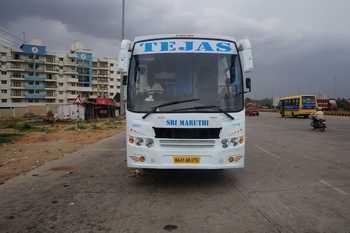
Book Monthly Bus Rental in Bangalore
Reserve your employee transport today—safe pickup & drop, verified drivers, flexible routes, and transparent monthly pricing for corporate teams.
Book Now.jpeg?tr=w-800,h-451,c-at_max,q-80)
1 min read
January 16, 2026
Employee Transport Solutions in Bangalore: Reliable Monthly Bus Rentals

Blog Summary
Reliable employee transport in Bangalore with monthly bus rentals. Safe pickup & drop, flexible routes, verified drivers, and transparent pricing for companies of all sizes.
Employee Transport Solutions: Monthly Bus Rental in Bangalore
In Bangalore, employee mobility defines day-to-day work life. Traffic pressure and long travel durations are influencing productivity and morale. Monthly Bus Rental in Bangalore will provide the structure needed by companies seeking effective employee transportation. Monthly Bus Rental in Bangalore has become a part of many organisations that need punctuality, safety, and comfort in the teams they have in the IT corridors and business zones.
What Are Employee Transport Solutions?
Planned travel solutions involve the services that the companies organize to be transported to by their employees. Such services include daily office pickups and drop-offs, Shifts, and Work commute. The number of those in need of such solutions in Bangalore is still increasing due to the presence of huge IT hubs, tech parks, and industrial estates around the city.
The transport mode can hardly satisfy the employees. Daily stress is experienced due to poorly packed buses, poor route coverage, and the inconsistency of schedules. The problem is increased by long queuing hours and last-mile distances. A large population of employees find it hard to arrive at offices punctually, particularly during the peak period or during the night shifts.
Transport arrangements provide the efficiency and security of the businesses. Scheduled and regular routes can help the employees plan their day. Drivers are authenticated, and vehicles are serviced, which reduces the risk of travelling. The employer is in control and can see where the employee is through GPS tracking.
Organised transport is also good at encouraging the retention of employees. Job satisfaction is experienced in cases of easy and safe travelling. Employees will like organisations that care about them and make them feel comfortable in their day-to-day lives. This advantage tends to affect long-term loyalty.
How Does Monthly Bus Rental Work for Corporate Employee Transport in Bangalore?
Bus rental is on a monthly basis, which is on a leasing platform. Companies lease buses at a certain monthly cost as compared to hiring on a daily basis. This model is unified and affordable. Ad hoc employment is ideal in temporary situations, whereas monthly rental is ideal in the case of daily office travels.
Various fleet options are provided by different providers. Buses that companies select include AC buses, non-AC buses, mini buses and tempo travellers. Both alternatives can be applied to a particular team size and type of route.
Customisation is an important factor. Routes are created by providers depending on the position of employees. They resolve pickup points and timings to save on the time spent travelling. Routes can be altered according to team increase or change.
Numerous companies provide driver-on-demand. The route is handled by the same driver daily. This develops intimacy with people and places. It also enhances time-saving and safety.
Why Choose Monthly Bus Rentals Over Daily Commute Reimbursements or BMTC Passes?
There is a definite cost advantage to large teams in renting buses monthly. One bus instead of a number of reimbursements and fuel claims. Bureaucracy is minimised by the companies and uncertain costs.
Reliability increases in the case of direct control over transport. Firms are not reliant on the bus time schedules. Buses are punctual and do not take unplanned routes.
Monthly rentals have the advantage of having flexible routes. Transportation buses are on a fixed route. Corporate buses fit in the location of the employees as well as office time.
Branding can also be done through monthly rentals. Buses can be vinyl wrapped or logoed. This generates brand awareness and professionalism in the everyday operations.
What Types of Buses Are Available for Monthly Rental in Bangalore?
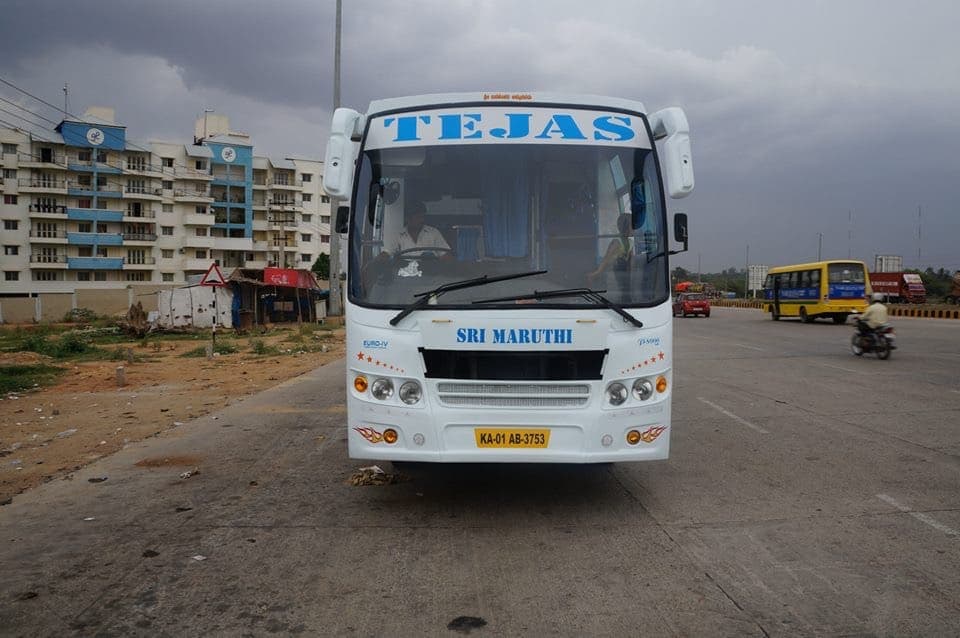
Certainly, some buses serve the transportation of employees. Mini buses with 18 or 21 seats are suitable for small teams and routes. They operate on small roads efficiently and reduce the waiting time.
Tempo travellers contain 12 to 26 seats. They apply to start-ups and mid-sized teams. They are decent vehicles as far as comfort and flexibility are concerned.
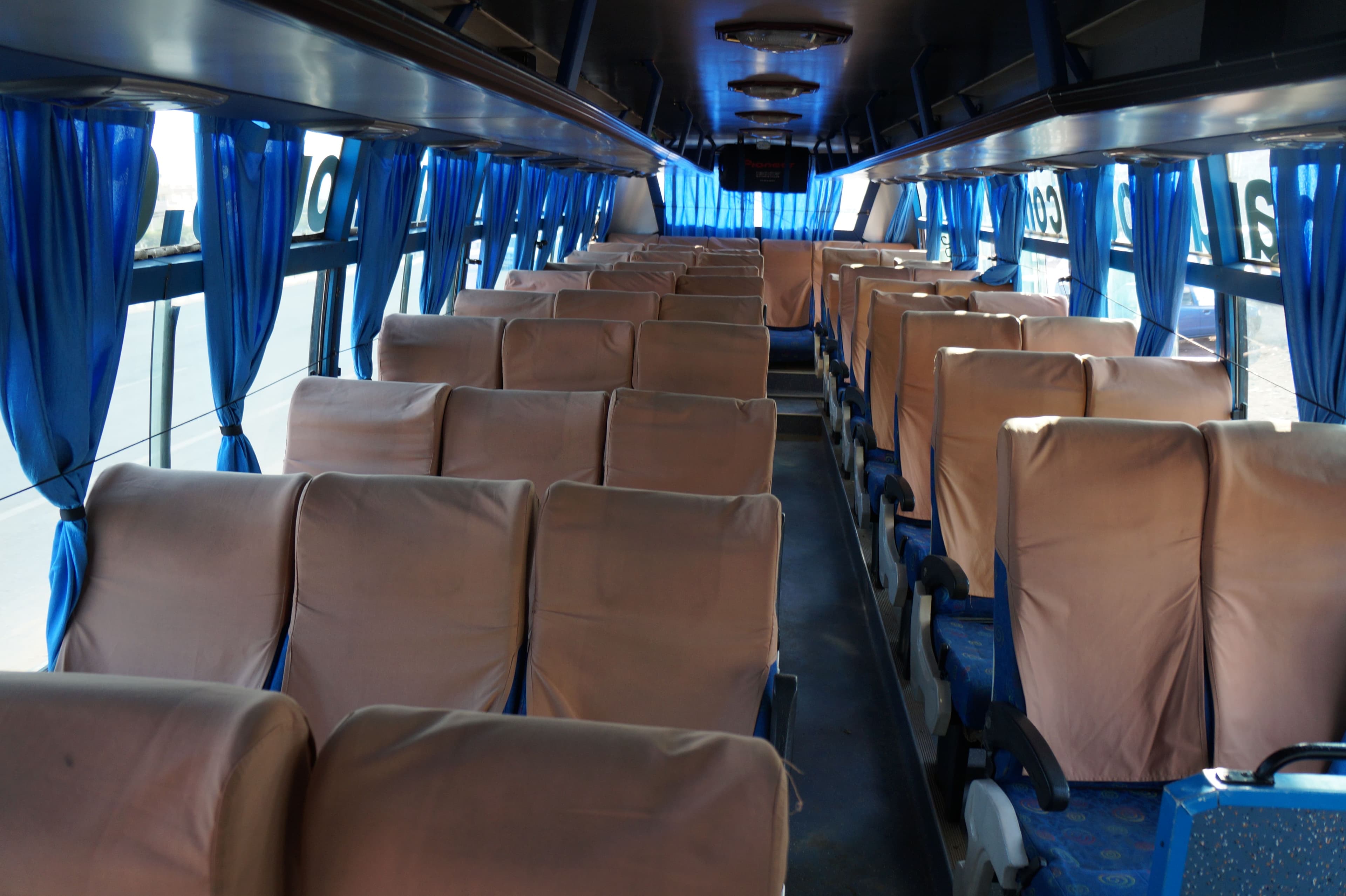
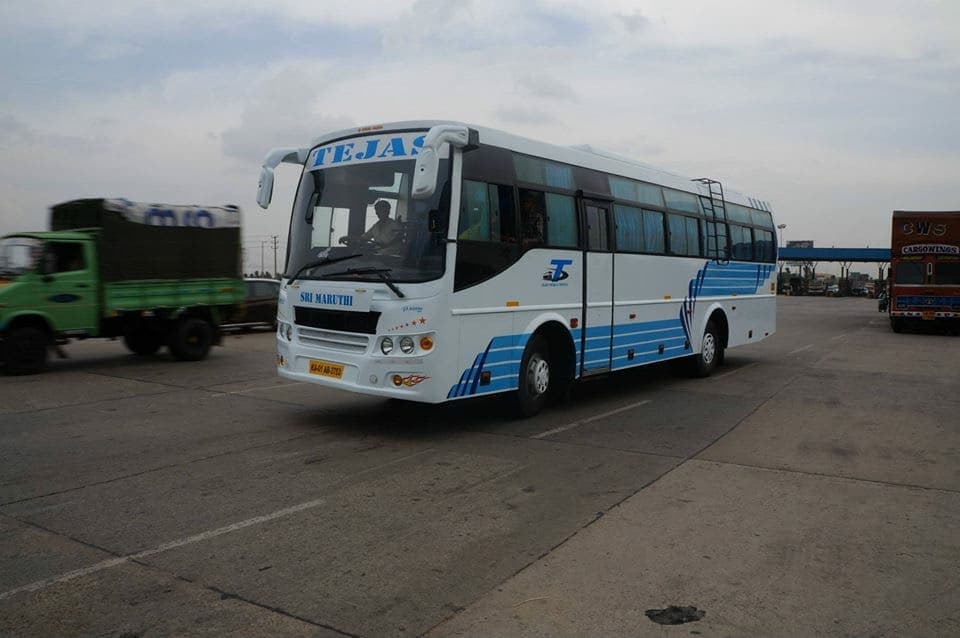
Luxury AC buses with 30-50 seats serve large groups of employees. They have push-back seats, air conditioning and smooth suspension. These buses apply to long routes and older workers.
Electric buses have an appeal to eco-friendly companies. They minimise carbon emissions and promote sustainability objectives. This is also an option that many organisations are considering as a daily means of commuting.
Vehicle Type | Seating Capacity | Best Suited For |
Mini Bus | 18–21 | Small teams, short routes |
Tempo Traveller | 12–26 | Medium teams, flexible routes |
Luxury AC Bus | 30–50 | Large teams, long routes |
Electric Bus | 25–40 | Eco-focused corporate transport |
What Is the Average Monthly Cost of Bus Rental for Employee Transport in Bangalore?
The rental is based on the usage of the vehicle and the type of vehicle. The tempo traveller buses are cheaper compared to the full-sized buses. The vehicles that are AC are more expensive than non-AC vehicles.
The distance of routes influences the price. The cost of fuel and time is higher in longer routes that have several pickups. Direct and short routes are less expensive.
Operational hours matter. There can be an increase in charges due to extended shifts and night operations. Monthly rates are also affected by the fuel prices.
Sample pricing provides a rough estimate. The typical price of an AC tempo traveller is 65,000 to 80,000 per month. Mini buses are priced at approximately 85000 to 120000 a month. Full-size buses cost between 1,40,000 and 2,00,000 per month.
Latent costs should be paid attention to. There can be toll fees imposed on some of the routes. There can be extra charges for night shift operations. Retention fees may be experienced in the cases of long-term contracts.
What Are the Key Features to Look for in a Corporate Bus Rental Provider?
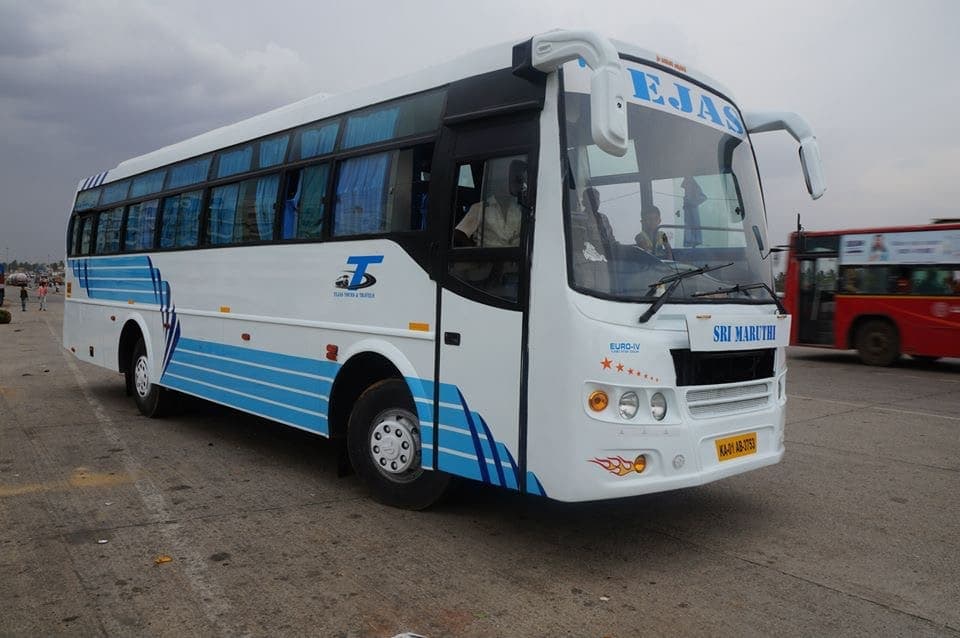
Maintenance and cleanliness of fleets are indicators of the quality of service. The buses are well-maintained, which makes them comfortable and minimises the risks of breakdowns.
GPS tracking in real time can provide transparency. The companies monitor routes and timings via dashboards or apps.
Drivers are trained and verified to enhance safety. Background checks and routine training need to be done by the providers.
The continuity is provided by the availability of backup vehicles. Service disruption in cases of breakdown is avoided through replacement buses.
The support of optimisation of routes assists in minimising the travelling time. Those with experience create effective routes that are founded on the traffic characteristics.
Insurance and compliance cover the companies against legal problems. Legitimate permits, licensed drivers and insured vehicles are important.
Why Tejas Travels Is a Trusted Partner for Employee Transport in Bangalore
Tejas Travels has experience in the field of corporate transport activities. The firm operates a robust fleet that maintains diverse services for employees in transportation.
The crew is specialised in transporting employees. They know schedules of shifts, IT park specifications, and regulations.
Tejas Travels provides mobile tracking of the vehicles and maintenance of transport rules. This method is safe and transparent.
Corporate clients are dealing with dedicated account managers. They plan routes, provide feedback and service enhancements.
The organisation has major customers in the industry. Its fleet mix enables an easy increase due to the expansion of teams.
Which Areas in Bangalore Are Covered for Monthly Employee Bus Rentals?
Employee buses are rented monthly, and they serve high-tech areas of Bangalore. Electronic City is still a high-value area with huge tech campuses. Whitefield has a number of IT parks and residential clusters. There are several corporate centres linked by the outer ring road. Manyata Tech Park is a daily attraction in terms of employee movement. Hebbal serves business areas and routes surrounding airports. Sarjapur Road is the area that sustains the rapid development of offices.
Tejas Travels plans routes within these zones. The company modifies pickup points to accommodate the location of employees and their office hours.
How to Set Up a Monthly Employee Transport Plan for Your Company?
Companies begin by evaluating the employees. This is done to come up with effective paths.
The second step would be to select the appropriate type of vehicle and route design. This decision is dictated by the size of the team and the distance of travel.
Tejas Travels is then contacted by the companies to provide an offer. The provider provides estimates of costs and specifications of services.
Pilot run assists in testing the route and schedule. The changes are informed by employee responses.
Once it has been reviewed, companies agree. Service Level Agreements specify the standards of punctuality, safety and support. Contracting lays out monthly or long-term contracts.
Looking for group transportation? Browse our Mini Bus Hire in Mysore.
How to Compare Monthly Bus Rental Services in Bangalore?
A comparison of services cannot be done without a structured approach. The price is still a decisive aspect, yet the quality of the services is also necessary. Fleet status depicts reliability. Continuity is guaranteed by emergency support. The use of technology enhances tracking. Past performance is displayed through reviews and testimonials.
Looking for group transportation? Browse our Mini Bus Rentals.
Criteria | Tejas Travels | Local Vendor A | BMTC Corporate Plan |
Cost Transparency | High | Medium | Fixed |
Fleet Variety | Wide | Limited | Limited |
GPS Tracking | Yes | Partial | No |
Emergency Support | Strong | Basic | Limited |
Custom Routes | Yes | Yes | No |
What is the minimum duration for a monthly bus rental?
The monthly contracts have the option of renewal by most providers. Others will have shorter trial periods on the basis of agreement.
Can I change routes after signing a monthly rental contract?
Yes. The route changes are typically allowed by the providers depending on the movement of the employees and the operational requirements.
Can we brand the bus with our company logo?
Yes. Numerous providers encourage branding with vinyl wraps and signs.
What happens in case of breakdowns?
The reputable providers have backup vehicles in place to maintain the continuity of the service.

Lakshmi Sagar
Travel Guide
Lakshmi Sagar is a passionate travel enthusiast who believes every journey is a story waiting to be told. With a curious spirit and love for exploration, he finds joy in discovering new places, connecting with local cultures, and experiencing the beauty of nature. Whether it’s wandering through peaceful landscapes, exploring vibrant cities, or taking spontaneous getaways, Lakshmi sees travel as a way to refresh the mind and expand perspectives. Beyond his professional life in technology, he finds balance and inspiration in adventures that combine relaxation, learning, and discovery. His travels are not just about destinations, but about the little moments—sunrises, conversations, and memories that stay long after the trip ends. Through his writing, Lakshmi hopes to inspire others to embrace travel not just as a hobby, but as a way of life filled with curiosity, wonder, and growth.
Read moreRecent Articles

Bangalore to Kerala Distance: Routes, Travel Time & Best Ways to Reach
August 14, 2025
The Bangalore to Kerala distance varies from 300 to 600 km, depending on the destination. Travel options include flights, trains, buses, and cars, with scenic routes through lush greenery.

Mangalore to Bangalore Distance and Travel Guide
August 14, 2025
The distance from Mangalore to Bangalore is around 350 km via NH75, taking 6-8 hours by road. Travel options include buses, trains, and flights for a convenient journey.

Bangalore to Hubli Distance & Travel Guide
August 14, 2025
The Bangalore to Hubli distance is approximately 410 km via NH48, taking 6-7 hours by road. Travelers can choose from buses, trains, or flights for a comfortable journey.