
Book Your AC or Non-AC Bus Now
Secure a clean, comfortable AC or Non-AC bus in Bangalore at the best price. Quick booking, reliable drivers, and instant confirmation.
Book Now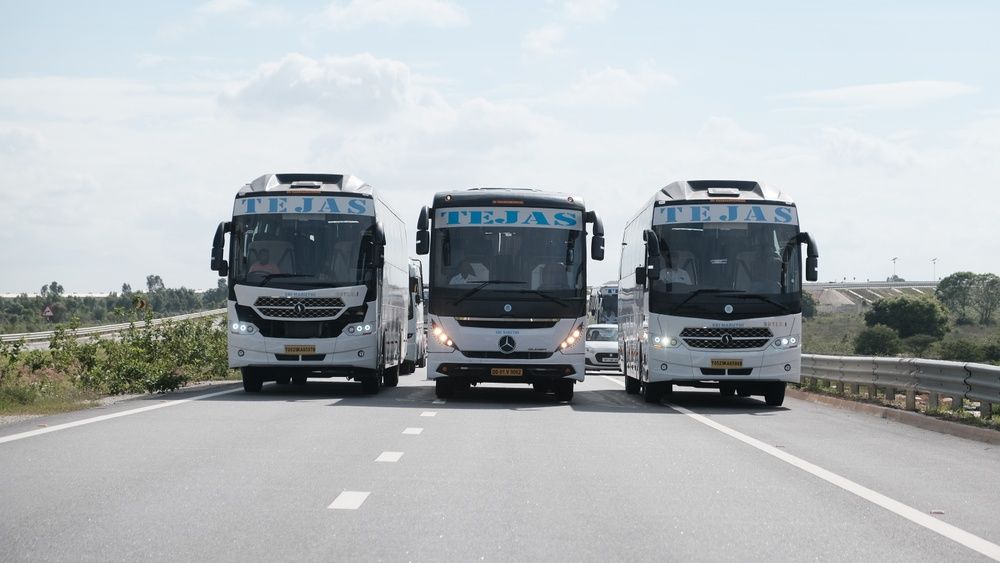
1 min read
January 21, 2026
AC vs Non-AC Bus Rental in Bangalore: Cost Comparison & Smart Booking Guide

AC vs Non-AC Bus Rental in Bangalore: Complete Guide
The experience of the journey may differ after selecting the appropriate bus to travel in a group. It depends on such factors as comfort, cost, weather, distance, and the needs of passengers. Whenever individuals organise weddings, corporate tours, school tours, airport transfers, or outstation tours, many of them go to the Internet to find AC vs Non-AC Bus Rental in Bangalore. The choice seems to be bewildering at times, as there are numerous types of buses and possibilities of prices in Bangalore. This comprehensive advisory on AC vs Non-AC Bus Rental in Bangalore covers everything in minute details, which is why you can make the correct decision without panhandling.
What’s the Difference Between AC and Non-AC Buses for Rent in Bangalore?
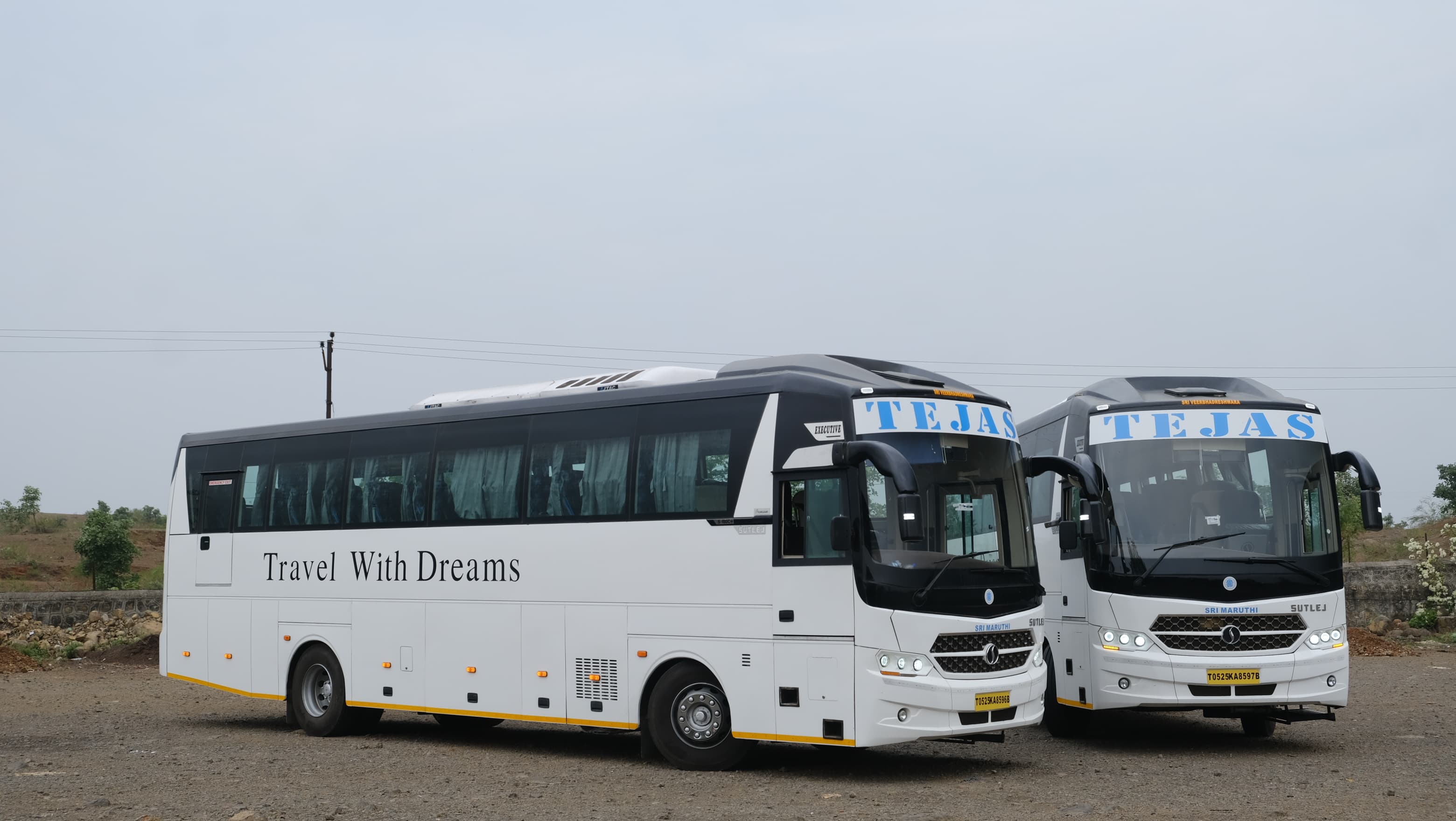
The main difference between the AC and non-AC buses is the level of comfort, the cost of operation and the travel conditions. An AC bus is equipped with a full-fledged air conditioning system, which keeps the cabin cool and constant in temperature throughout the trip. This option will be significant when going on a long journey, in a traffic jam or travelling during summer. Natural airflow relies on windows and roof vents. They lack a means of controlling temperature but provide fresh air.
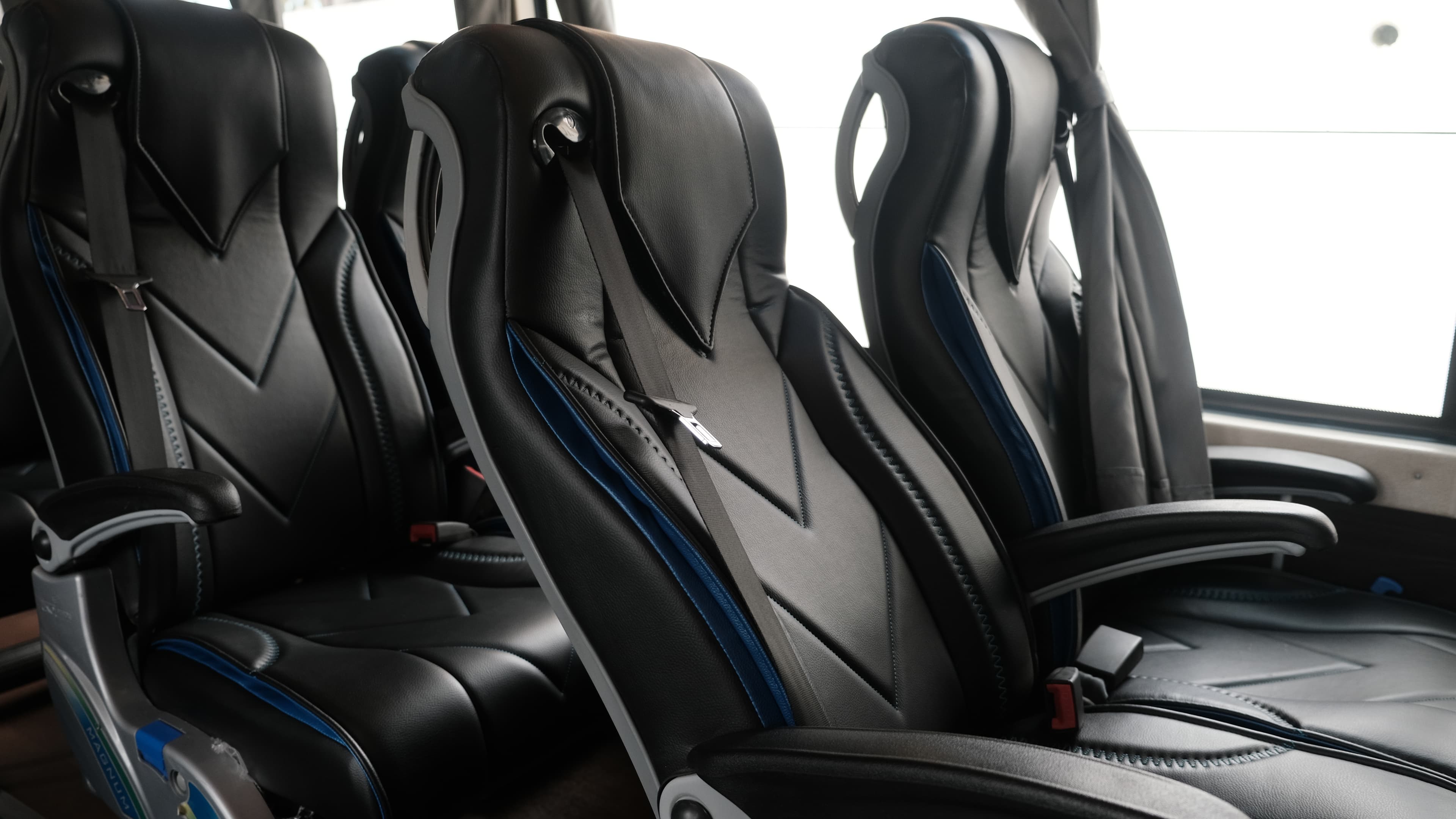
AC and non-AC are available in a variety of formats. Mini buses cater to the needs of smaller groups and in-city travel. Tempo Travellers are between buses and vans and are appropriate for medium-sized groups. Buses used in luxury accommodations have luxury travel needs and may have pushback seats, curtains, ambient lighting and entertainment. Sleeper buses assist in long-distance transportation and overnight transportation, primarily in an AC type.
It has a seating capacity of between twelve and fifty seats in both AC and non-AC. Smaller ones are appropriate with families or teams, and larger buses are used for weddings, pilgrimages and corporate events. AC buses tend to have superior seat cushions, greater legroom, and higher suspension. Non-AC buses offer simple seating and a less luxurious interior that makes the buses cheaper to rent.
Most of the models have the same amount of luggage space, though luxury AC buses tend to have more storage undercarriage. Ride quality also differs. AC buses would be smoother and quieter because of insulation and enhanced shock absorption.
Which is Better for Bangalore’s Weather: AC or Non-AC Buses?
Bangalore has a moderate climate throughout the year. But nevertheless, warm days are still felt in the city, particularly in the months of March to May. During the afternoons, the heat can be increased, and the congestion on the roads contributes to the heat inside the cars. AC buses come in handy during these months and ensure that the passengers are comfortable.
Cool seasons are experienced in the monsoon and winter seasons. Mornings and evenings are pleasant, and natural ventilation does not seem to be an issue most of the time. During these months, non-AC buses are suitable when it comes to short city rides and curb the expenses.
AC is relevant in the period of maximum transit, when the buses spend a lot of time in traffic jams. Older passengers, children and guests with formal dressing normally tend to have comfort in the AC irrespective of the season. Non-AC buses apply to those trips that are planned early morning, late evening or during colder seasons where the travelling time is not long.
How Much Does It Cost to Rent an AC vs Non-AC Bus in Bangalore?
Price is one of the determinants. The cost of AC buses is high because of fuel, maintenance and also high demand. Non-AC buses are also economical to groups that are conscious of cost.
The difference is explained by the general pricing comparison.
Bus Type | Seating Capacity | AC Bus Approx Cost | Non-AC Bus Approx Cost |
Mini Bus | 20-Seater | Higher per km and hourly rate | Lower per km and hourly rate |
Standard Bus | 30-Seater | Premium pricing | Moderate pricing |
Large Coach | 50-Seater | Highest cost, peak demand | Budget-friendly option |
Prices vary during the high seasons such as wedding months, school holidays and festivals. There are night travel charges that could be charged during late-hour travel. Toll, parking and driver allowances are most of the time added to the end cost. AC bus rates are increased at an accelerated rate when there is high demand since supply is low.
When Should You Choose an AC Bus Rental in Bangalore?
AC buses are applicable in cases where comfort, image, and reliability are of importance. The events of the corporation demand loose travel to make the employees and guests appear fresh. Airport relocations entail baggage and waiting time, and that is the reason why AC is significant.
AC makes outstation journeys in summer tiring. The wedding attendees are supposed to be comfortable, particularly when wearing heavy clothes. AC buses ensure that there is a nice atmosphere when such events are taking place. Family operations and cross-country travel are advantageous in temperature-controlled and less noisy cabins.
Customers who seek a luxury bus rental Bangalore service tend to settle on buses that have air conditioning, seats of high quality, light, and excellent suspension. These buses add value to the travelling experience.
When is a Non-AC Bus a Better Option?
Non-AC buses are appropriate for budget-oriented travelling. Less long-distance travel, such as school trips, visits to local temples and short-distance travel, does not require air conditioning. Non-AC travel proves comfortable to the majority of passengers during cooler weather seasons.
To control expenses, non-AC buses are preferable to volunteer groups and NGOs. Morning and evening journeys are not hectic with air conditioning. Non-AC buses are suitable in cases of frequent short-distance routes within Bangalore without any loss in terms of safety.
What Are the Pros and Cons of AC and Non-AC Bus Rentals?
Feature | AC Bus | Non-AC Bus |
Comfort | High | Moderate |
Cost | Higher | Budget-friendly |
Best for | Long, premium trips | Local, budget trips |
Availability | High demand | Readily available |
AC buses prove to be comfortable and smooth in rides, but add costs. Non-AC buses are cheaper but can get hot when there is a snarl-up or when it is a summer afternoon.
How to Book a Bus Rental in Bangalore with Tejas Travels?
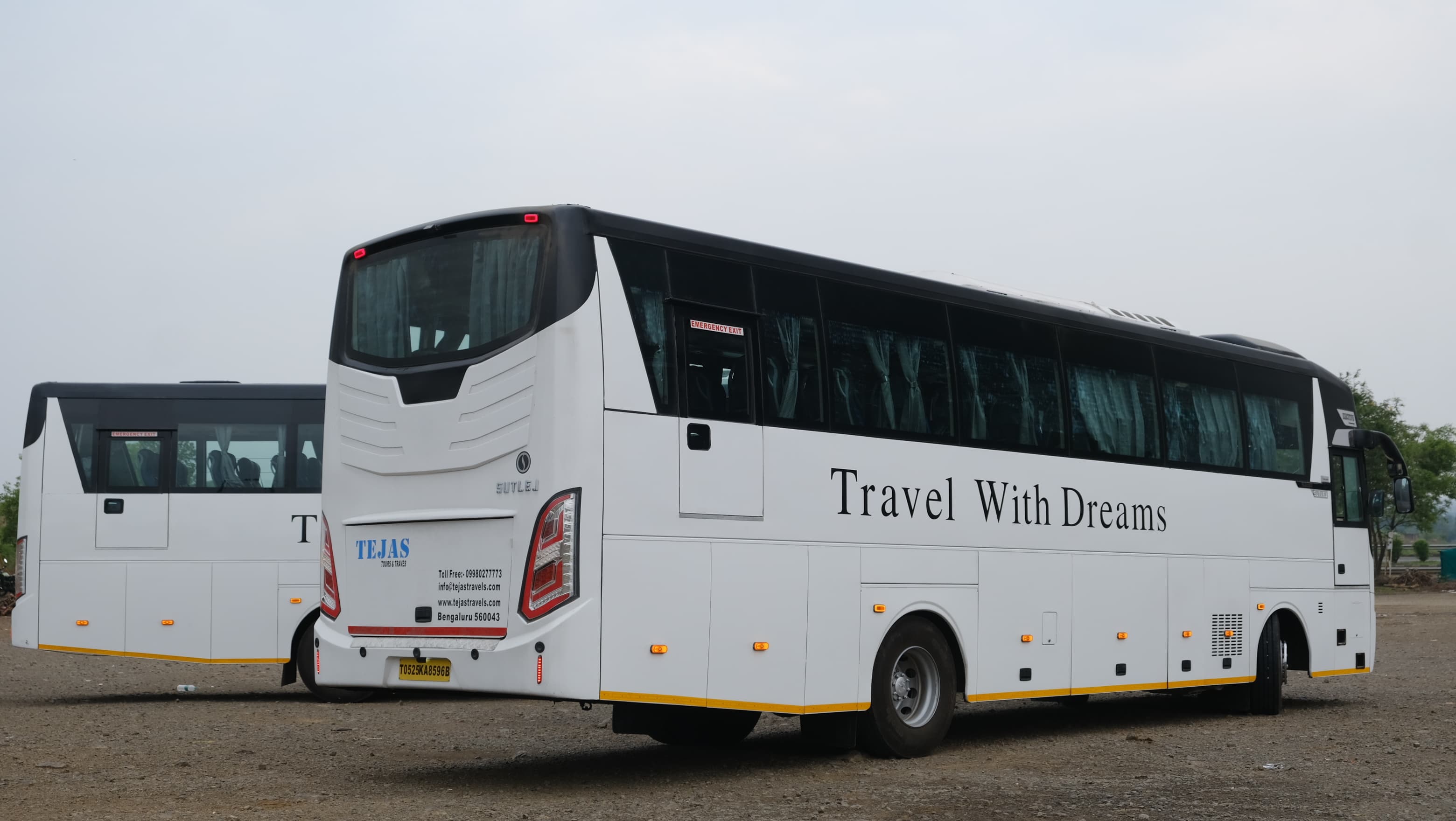
Tejas Travels is a well-known travel agency in Bangalore that has good experience in group transportation. The firm also sells both AC and non-AC buses of various types, such as mini buses, tempo travellers, and luxury coaches.
Reservation is easy and convenient. The booking is possible via the site, telephone, and e-mail. Share information like date, pick up place, destination, group size and budget. The team proposes appropriate alternatives and is also clear about pricing.
Tejas Travels has a well-maintained fleet and has certified drivers. GPS monitoring makes it safe and routes monitored. The booking procedure is easy and secure due to flexible prices and responsive services.
What Should You Consider Before Choosing Between AC and Non-AC Bus Rentals?
The first role in decision-making is played by the budget. Comfort needs are influenced by the time and distance of travelling. Age and health of the passengers are also of concern, particularly for the old and young. The season of the year determines the amount of cooling required. AC reliability of maintenance makes it operate smoothly on long journeys.
The consideration of these considerations prevents inconvenience and surprise costs.
Should You Choose an AC or Non-AC Bus in Bangalore?
This will be a matter of choice. AC buses are applicable in long-distance transportation, summer travels, airport transfers, weddings and company events. Non-AC buses are applicable to local travel, economic journeys and cooler seasons.
The choice of AC is usually biased towards families and corporate planners. Non-AC buses are often preferred by schools, non-governmental organisations and local entities.
Advice from a professional makes the choice easier. Tejas Travels will provide professional advice to correlate your requirements in terms of travelling with the appropriate vehicle. Group travelling in the city of Bangalore becomes easy, hassle-free and comfortable with proper planning and the right partner.
This comprehensive, most up-to-date list of AC vs Non-AC Bus Rental in Bangalore assists in making an informed decision. When you make the right choices, comfort and cost can be very compatible.

Lakshmi Sagar
Travel Guide
Lakshmi Sagar is a passionate travel enthusiast who believes every journey is a story waiting to be told. With a curious spirit and love for exploration, he finds joy in discovering new places, connecting with local cultures, and experiencing the beauty of nature. Whether it’s wandering through peaceful landscapes, exploring vibrant cities, or taking spontaneous getaways, Lakshmi sees travel as a way to refresh the mind and expand perspectives. Beyond his professional life in technology, he finds balance and inspiration in adventures that combine relaxation, learning, and discovery. His travels are not just about destinations, but about the little moments—sunrises, conversations, and memories that stay long after the trip ends. Through his writing, Lakshmi hopes to inspire others to embrace travel not just as a hobby, but as a way of life filled with curiosity, wonder, and growth.
Read moreRecent Articles

Mangalore to Bangalore Distance and Travel Guide
August 14, 2025
The distance from Mangalore to Bangalore is around 350 km via NH75, taking 6-8 hours by road. Travel options include buses, trains, and flights for a convenient journey.

Bangalore to Hubli Distance & Travel Guide
August 14, 2025
The Bangalore to Hubli distance is approximately 410 km via NH48, taking 6-7 hours by road. Travelers can choose from buses, trains, or flights for a comfortable journey.

Bangalore to Tumkur Distance, Travel Time & Route Information
August 14, 2025
The Bangalore to Tumkur distance is approximately 70 km via NH48, taking around 1.5 hours by car. The route is well-connected with **highways, buses, and trains**, making travel convenient. Tumkur, an industrial and educational hub, is a popular destination near Bangalore.